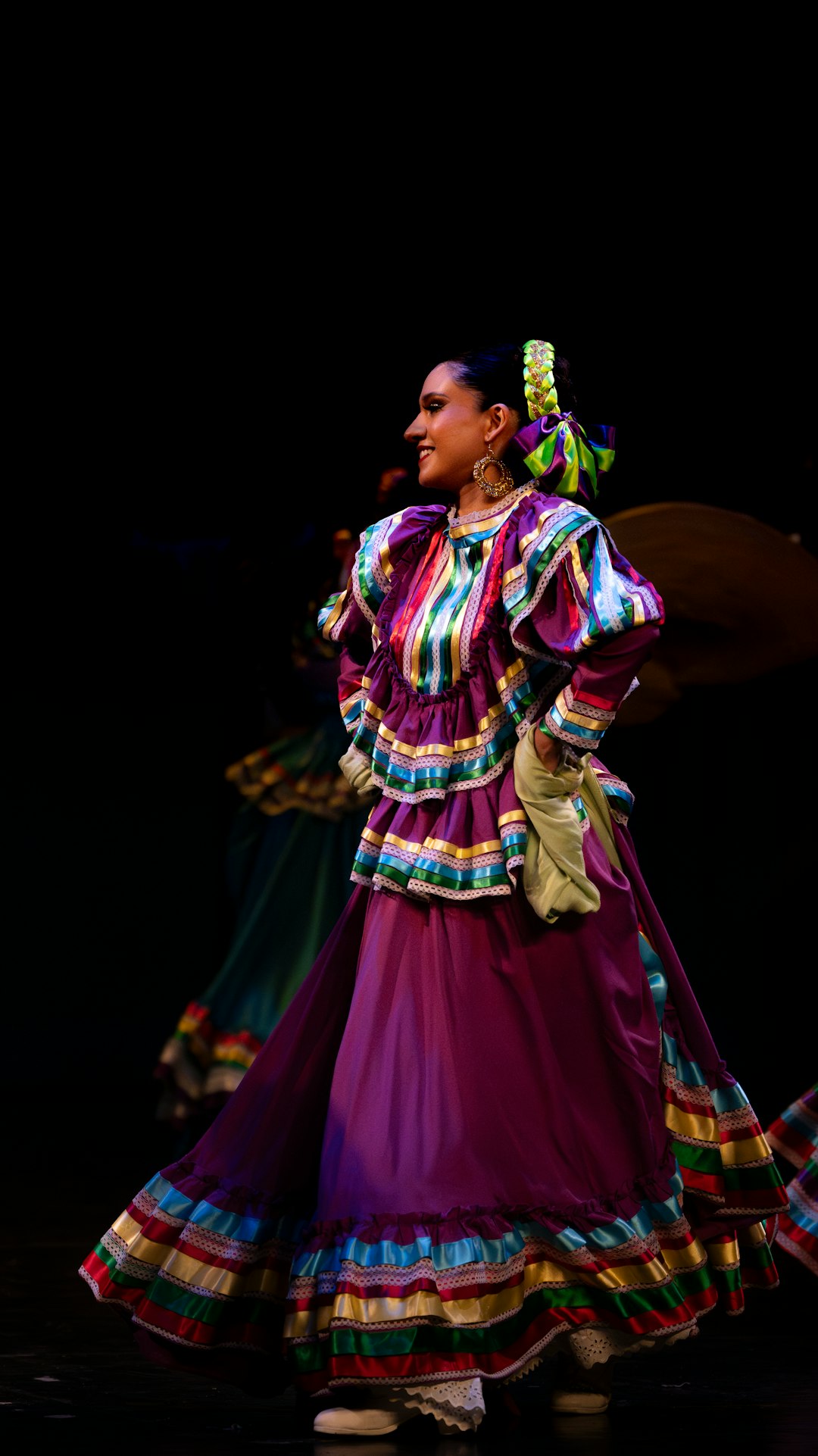
I remember the exact moment tango stopped being a series of steps and became something electric. I was at a milonga in Buenos Aires — sweaty, under-lit, music too loud — and my partner did something with her chest that I felt in my spine before my brain caught up. No choreography. No pattern. Just connection.
That's the gap between beginner tango and the real thing. And yeah, I know you've heard "focus on connection" a thousand times. But here's what nobody tells you: connection isn't a skill you practice. It's what's left when you stop performing.
Stop Dancing With Your Arms
Your embrace is lying to you. If you're gripping your partner like a subway pole during rush hour, you're transmitting tension, not intention. The embrace should feel like holding a sleeping cat — firm enough that it won't fall, loose enough that it can breathe.
Here's a drill that changed everything for me: dance an entire tanda without closing your left hand. Just rest it on your partner's back. Suddenly you can't cheat. You can't pull or push. You have to communicate through your chest, your weight shifts, your breath. It's terrifying. And then it's liberating.
Musicality Isn't About Counting Beats
I once watched a couple dance to Pugliese's "La Yumba" and hit every single accent, every pause, every swell. Technically perfect. And completely boring. Because they were following the music like a GPS — turn here, pause there, dip on the downbeat.
Musicality means choosing which music you're dancing. A D'Arienzo track wants sharp, driving steps. Di Sarli wants long, sweeping curves. Pugliese wants drama and silence. Don't dance to the music. Dance with it. Argue with it. Let it surprise you.
Try this: next milonga, pick one instrument and follow it through a whole song. Ignore the melody. Track the bass line, or the bandoneón's breath between phrases. Your body will start responding to layers you never noticed.
The Figures Nobody Warned You About
Volcadas. Colgadas. Ganchos. These words sound intimidating, and honestly, some teachers introduce them way too early. But here's the thing — they're not "advanced moves." They're conversations.
A volcada isn't a trick where your partner falls into you. It's an invitation to share your axis. A colgada isn't hanging off each other. It's finding counter-balance in a shared spiral. The moment you think of these as moves to execute rather than sensations to explore, you've already lost the plot.
Start small. A walking volcada — just one step where you both lean slightly off-axis and recover. Do it until it feels as natural as turning a corner. Then add another. Don't collect figures like Pokémon. Build a vocabulary you actually use.
Your Posture Is a Love Letter (or an Apology)
Stand in front of a mirror. Now imagine someone just told you the best news of your life. Notice what happens to your chest? It lifts. Your shoulders drop. Your spine lengthens without effort.
That's tango posture. Not the stiff, military ramrod some teachers drill into you. Not the collapsed, apologetic hunch most beginners default to. Something alive. Present. Almost proud.
Balance work matters here, but skip the boring heel-to-toe drills. Instead, practice walking backward in tango shoes on a smooth floor. Feel how each step transfers weight completely. If you're wobbling, your axis is somewhere it shouldn't be. Find it.
Get Out of Your Comfort Zone (Literally)
Your regular class partner knows your habits. They compensate for your mistakes. They're comfortable. And comfortable is where growth goes to die.
Go to milongas. Real ones. Dance with strangers. Dance with people who are better than you. Dance with beginners — you'll learn more about leading from someone who doesn't anticipate your every move than from anyone else.
Don't be me: I avoided milongas for six months because I thought I wasn't "ready." That's like avoiding the ocean because you've only practiced swimming in a pool. The milonga is where tango lives. Everything else is rehearsal.
The Part Nobody Wants to Hear
You're going to be mediocre for a while. Maybe a long while. Tango has this cruel curve where the more you learn, the worse you feel you are. That's not discouragement — that's awareness kicking in. It means you can finally see the gap between where you are and where you want to be.
Keep showing up. Keep listening. Keep letting the music mess with your plans.
The night I understood tango wasn't about being perfect — it was about being present — I danced three tandas without thinking about a single step. My partner smiled afterward and said, "Where did that come from?"
I had no idea. And that was the whole point.