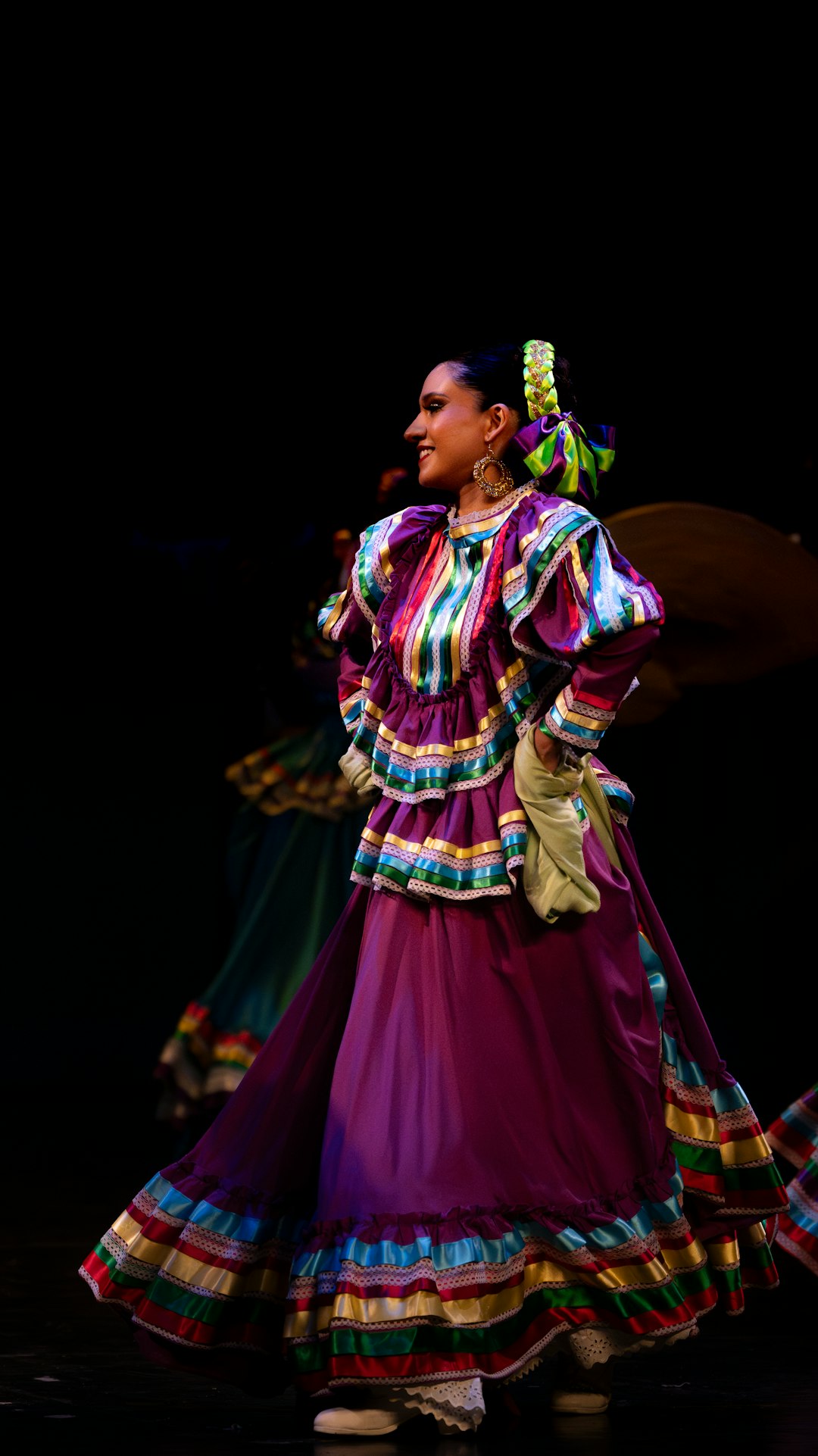
There's a moment every tango dancer remembers. You're three songs into your first milonga, heart pounding, the cabeceo just worked for the first time, and then it happens—your arches start screaming. By song four, you're negotiating with your feet like they're demanding a raise. That pair of gorgeous heels you spent weeks choosing? They're winning. And you're losing.
This is the rite of passage. But it doesn't have to be.
The Comfort Lie We Tell Beginners
Most tango shoe advice starts with heel height and material quality. Those things matter, sure. But the real secret nobody puts in blog posts is this: the shoe that looks perfect in the shop is often the shoe that'll betray you on the floor.
I've watched seasoned dancers at BsAs festivals spend an entire evening shuffling between vendors, trying on fifteen pairs, walking up and down cobblestone streets to feel the real difference. The ones who buy on pure aesthetics? Some of them end up dancing in bare feet by midnight, shoes abandoned under a table like casualties.
So let's do this differently. Let's talk about what actually makes a tango shoe work for you, specifically.
The Foot-Test That Actually Works
Here's the test nobody teaches: don't just stand in the shoe. Walk like you mean it. Do a weight change. Execute three ochos in a row. Feel for where your foot slides, where it pinches, where the arch support (or lack thereof) starts to announce itself.
Your foot is biomechanically unique. That elegant pointed toe that looks so dramatic on the shelf might cram your pinky toe into a shape it finds personally offensive. That 3.5-inch heel that feels stable on carpet might become a balance challenge on polished wood. There's no universal answer—only your answer.
When I finally found my first real pair, I spent forty-five minutes in a Buenos Aires shop just walking circles. The vendor finally asked if I was rehearsing for something. I told him I was trying to decide if these shoes would still like me after three hours of vals. He laughed, then handed me a different pair two sizes down. Those were the ones.
On Heel Height: The Real Conversation
Forget the beginner/low heel, advanced/high heel binary. It's more nuanced than that.
Heel height in tango affects three things: your posture, your pivot capability, and your relationship with gravity. A lower heel drops your center of mass, which can make you feel more grounded—but it also means your foot lifts less off the floor during forward steps, which can create drag. A higher heel elevates your line, sharpens your turns, and forces a certain elegance into your posture—but it punishes lazy ankles and indifferent weight distribution.
Some of the most technically advanced dancers I've watched in Buenos Aires wore modest 2.5-inch heels. Not because they were beginners, but because they'd found their balance point and didn't need the visual drama of five inches.
The question isn't "what height should a beginner wear?" It's "what height lets you feel the floor beneath you while maintaining the posture tango requires?"
Try different heights. Dance in each for at least an hour before deciding.
Material: Why Your Feet Will Thank You for Spending More
Yes, leather is expensive. Yes, synthetic alternatives exist. Here's the trade-off nobody explains honestly: synthetic shoes are easier to care for and cheaper to replace, but leather shoes will teach your feet what tango is supposed to feel like.
The way leather stretches and molds to your specific foot shape over time is not something any synthetic material replicates. After a few months, your leather tango shoes become essentially custom—formed to your arches, your ankle movement, your particular way of pivoting.
The catch: you have to be willing to break them in. Wear them around the house. Walk in them to the grocery store if you're not self-conscious. Let them learn your feet before you ask them to perform on a dance floor.
The Brand Question (And Why It's Overrated)
Everyone wants to know the "best" tango shoe brand. Here's the truth I've arrived at after years of watching dancers argue this point in milongas across three continents: the brand matters less than the fit.
Comme il Faut makes stunning shoes. I've owned three pairs. Two of them were spectacular. One of them gave me blisters for weeks and then sat in my closet until I eventually donated it to a dancer with narrower feet.
Neo Tango, Ferraro, Damian Y下—I've heard the same story about each of them. Some dancers swear by a brand; others got burned and moved on. The pattern is consistent: brand loyalty in tango shoes is a personal thing, not a quality judgment.
My advice: when you find a brand that fits your foot shape well, stay loyal to that brand. When you find a model that worked, note the last and width, not just the name.
What Actually Determines Your Decision
If you're still overwhelmed by the options, here's the hierarchy I use when helping dancers shop:
First: comfort over aesthetics. You cannot dance beautifully if you're distracted by pain. No pair of shoes is so beautiful that suffering is worth it.
Second: pivot functionality. Do a couple of turns in the shoe before you buy. If the heel catches when you rotate, that's not going to fix itself.
Third: the floor. Consider where you dance most. Hardwood floors, smooth marble, outdoor cobblestone—different surfaces reward different heel shapes and sole materials.
Fourth: color. Obviously this matters too. Tango is visual. Your shoes should make you happy when you look down at them.
The Shoes You're Dancing In Right Now
I want to end this with something practical rather than inspirational. Right now, wherever you are, you probably own tango shoes that could be working better for you. Maybe they're too tight in the toe box. Maybe the heel tips are worn down to nothing. Maybe you've been ignoring the creak that started three months ago.
The best tango shoes in the world are the ones you actually wear—regularly, confidently, without thinking about them. The ones that disappear into your dance so completely that you forget they're there and just move.
Find those. They're out there. Your feet are waiting.