Close your eyes. The scent of lemon oil and dust. The sharp crack of a heel on wood. And then, a sound like a sudden gust of wind—the swish of heavy fabric cutting through air. That’s the sound of flamenco announcing itself before a single note is played. Your clothes aren't just an outfit here; they're your first percussion instrument, your co-star, your lineage. Choosing them isn't about shopping. It's about listening to what the dance demands.
The Tale of Two Closets: Tuesday Night vs. Saturday Spotlight
Forget buying that breathtaking, embroidered bata de cola for your beginner’s class. That’s like bringing a cathedral organ to a campfire sing-along. Your weekly practice gear is your workhorse. It’s the trusted friend that sees your sweat, hears your frustrations, and never complains. We’re talking breathable cotton leggings that stretch when you squat deep into a zapateado stance, and simple, flowy skirts that move with your hips, not against them. This is about durability and freedom, built to survive the spin cycle and your teacher’s relentless tempo.
The performance costume? That’s the opera singer. It’s drama, architecture, and legacy sewn into silk. A professional traje is a weighty investment, not just in euros, but in care. It needs a dedicated rack, a gentle hand, and often a dresser who knows how to navigate its formidable train. The magic trick is this: the stiff, new fabric of a performance skirt learns your movement. Over time, it softens into your personal rhythm, developing its own vuelo—its own flight.
It Starts With the Skin: Fabric as Your First Partner
For the studio, let fabric be your ally. Cotton blends breathe when you’re drilling footwork until your arches burn. Moisture-wicking materials are a godsend in a packed class. Steer clear of cheap polyester; that static cling that makes a skirt stick to your tights is the enemy of every proud hip flick.
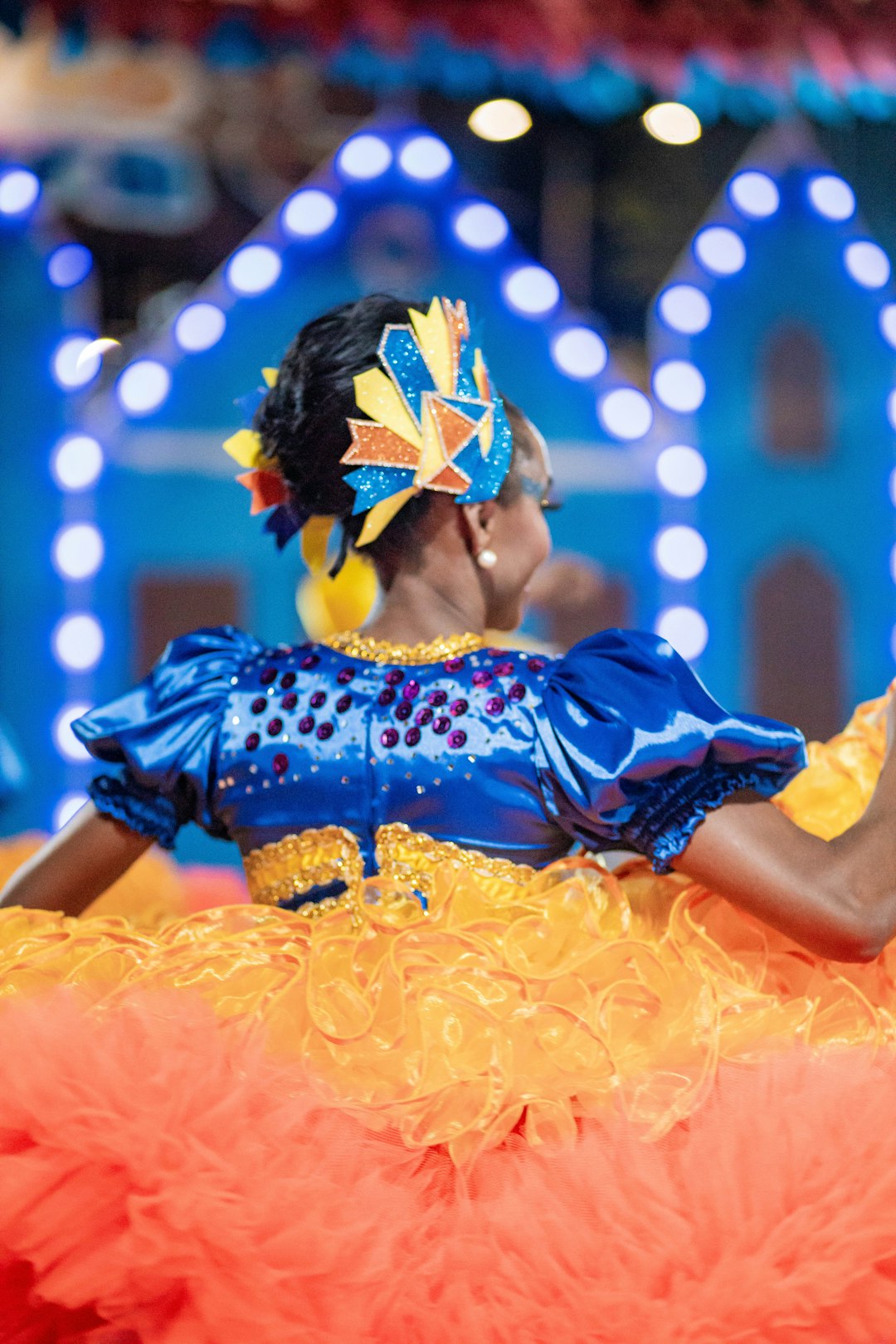
On stage, the rules change. Here, weight and drape are the vocabulary. A manton de Manila isn’t just a shawl; its heavy silk fringe dictates the speed and flourish of your every sweep. The fluid cascade of a georgette skirt doesn’t just look pretty—it creates a ripple effect that echoes the guitarist’s rasgueado. Even the stiff lace on a bodice isn’t merely decorative; it frames your posture, holding you upright and proud.
More Than a Feeling: The Secret Language of Color
Color in flamenco is a shout, not a whisper. That red dress isn’t just “pretty.” It’s the fire of a soleá, the blood-rush of a tragic love story. Black isn’t basic; it’s the sharp silhouette of a formal cuadro, the depth of the night in a seguiriya. White is the pure joy of a sevillanas under the April sun in Seville.
But there’s a practical magic, too. Deep hues carve a powerful silhouette under hot stage lights. A solid, vibrant color will read as a bold stroke from the back row, while a busy pattern might blur into a question mark. And traditions shift—a costume from Málaga might scream with florals that a Sevillian would consider loud, and that’s okay. It’s regional dialect.
The Art of the Embrace: When the Garment Fits *You*
Flamenco sizing is its own secret society. A Spanish 42 might laugh at your usual “medium.” Always, always measure and consult the sastre’s chart. The fit is a conversation between your body and the garment. The bodice must hold you through a whirlwind of turns without a single strap slipping. The skirt’s waistband should find your natural anchor, its hem kissing the floor just so—not tripping you, not hiding your precious footwork.
Professional dancers don’t just budget for the costume; they budget for the alterations. That perfect, off-the-rack fit is a unicorn. You’re building a relationship, and it takes a few fittings to learn each other’s language.
The Final Stitch
In the end, your flamenco clothes remember what your muscles forget. They hold the shape of your practice, the echo of the compás, and the shadow of the ancestors who danced before you. So when you dress for this, you’re not just putting on a skirt. You’re wrapping yourself in a story, ready to add your own chapter with every stomp, flick, and turn. Now, go make some noise.