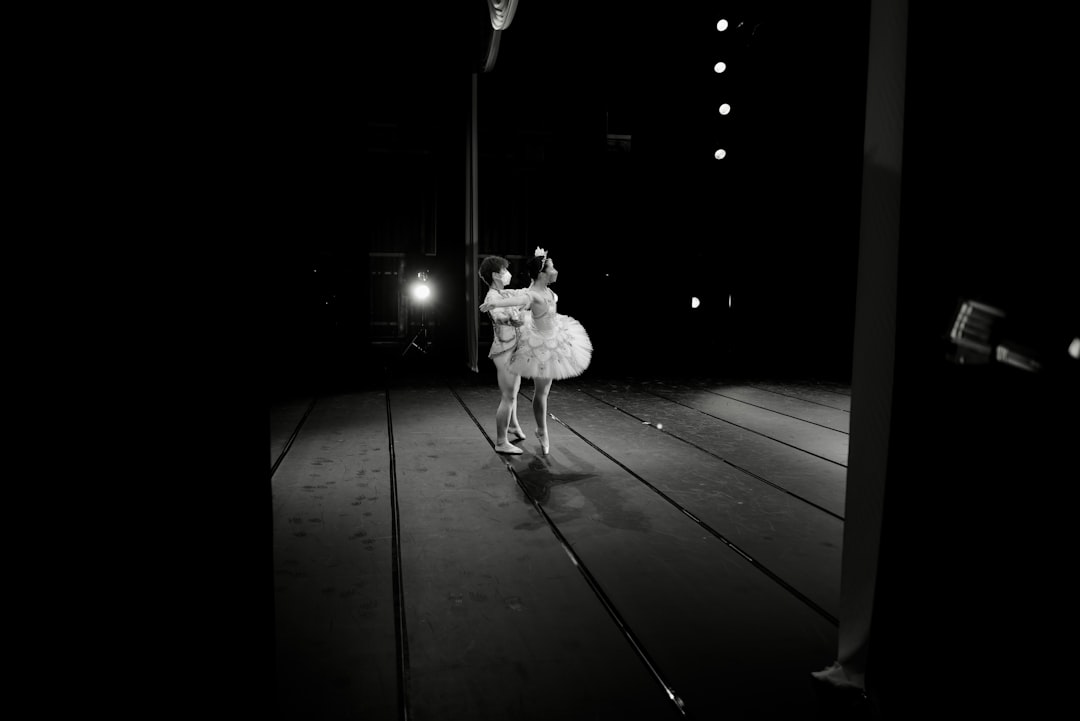
Tango is a dance of intricate improvisation and sustained intimacy, demanding years of disciplined study before the body surrenders to the music's call. For social dancers dreaming of paid performance, teaching credentials, or competition podiums, the transition to professional status requires more than passion—it demands strategic, quantified training. This guide outlines what that actually looks like: typically 3–5 years of intensive study, with specific benchmarks for leaders and followers pursuing distinct career pathways.
Defining Your Professional Trajectory
"Aspiring professional" means different things in tango. Clarify your target early:
- Performer: Stage tango (tango escenario) or improvised social performance
- Teacher: Private instruction, group classes, or certification programs
- Competitor: Tango World Championship, regional circuits, or salon categories
- Hybrid: The most common reality, combining multiple income streams
Your training distribution will shift based on emphasis. Performers need theatrical presence and choreography; teachers require pedagogical training and anatomical knowledge; competitors must master strict salon codes or dramatic stage conventions.
The Weekly Training Framework (15–20 Hours)
Aspiring professionals should budget their time deliberately:
| Category | Percentage | Weekly Hours | Activities |
|---|---|---|---|
| Partnered practice | 40% | 6–8 hours | Milonga attendance, practicas, private coaching |
| Solo technique | 30% | 4–6 hours | Balance work, embellishments, sequences, video analysis |
| Musicality study | 20% | 3–4 hours | Active listening, rhythm exercises, identifying orchestra signatures |
| Cross-training | 10% | 1.5–2 hours | Pilates, yoga, or strength work for tango-specific posture demands |
Phase One: Embodied Foundations (Months 1–12)
Master the Walk—Then Question It
Every maestro repeats this paradox: the basic tango walk contains everything. Yet beginners and advancing dancers alike neglect its refinement.
For leaders: Practice caminata with attention to musical phrasing, varying dynamics from whispered to pronounced. Study navigation: the responsibility for floorcraft falls entirely on you in traditional milongas.
For followers: Develop active following—responsive but not passive. Your axis control determines every subsequent possibility. Practice walking alone, then with eyes closed, maintaining your own balance within the embrace.
Technique as Liberation
As Sebastian Arce notes, "Technique is what allows you to forget technique." Foundational work must become automatic before musical expression emerges.
Prioritize:
- Postural alignment: Tango's sustained embrace creates unique spinal and shoulder strain. Work with a mirror or video to eliminate compensatory tensions.
- Foot articulation: Silent, precise placement. Practice in socks on hardwood to develop sensitivity.
- Dissociation: The independent rotation of upper and lower body that enables ochos and turns.
Consider monthly private lessons with established maestros—not for choreography, but for diagnostic correction. Group classes rarely address individual biomechanical patterns.
Phase Two: Musical Possession (Year 2)
Tango without musicality is gymnastics in costume. Professionals must internalize the orquestas that define the genre's Golden Age (1935–1955).
The Essential Listening Curriculum
| Orchestra | Characteristics | Practice Application |
|---|---|---|
| Carlos Di Sarli | Elegant, piano-driven, clear phrasing | Walking exercises; melodic interpretation |
| Juan D'Arienzo | Rhythmic, driving, staccato | Sharp footwork, playful syncopation |
| Aníbal Troilo | Complex, melancholic, bandoneón-forward | Emotional depth, suspension and release |
| Osvaldo Pugliese | Dramatic, orchestral, rubato-heavy | Advanced dynamics, theatrical pauses |
Practice walking to single instruments: follow only the bandoneón for one song, then switch to bass, then piano. This develops the layered listening that distinguishes professionals.
Phase Three: Professional Integration (Years 3–5)
Cultural Immersion
Tango cannot be fully learned outside its ecosystem. If resources permit, extended study in Buenos Aires is transformative. Observe milonga codes rigorously:
- Cabeceo: The eye-contact invitation system that maintains social elegance
- Tanda structure: Dancing three or four songs with one partner, then changing
- Cortina etiquette: The non-dance music signaling rotation
These conventions, seemingly peripheral, define professional credibility in traditional contexts.
Injury Prevention and Longevity
Tango's demands are specific and punishing:
- Hip flexor strain from sustained forward posture
- Metatarsal stress from heels (followers) or precise ball-of-foot pivots